If you’ve been feeling heavier in the body lately, a little more bloated, retaining fluid, or noticing that your digestion is not as smooth as usual, you’re not alone.
At this time of year in Sydney, late summer moving into early autumn, the climate often becomes hot and humid, and this can have a very real effect on how our bodies feel.
In Chinese medicine, this period is known as Late Summer, and it is strongly connected with the spleen and digestive system.
The Spleen in Chinese medicine is responsible for transforming food into energy and managing how fluids move through the body. When the environment becomes humid, and when we add rich foods, alcohol, stress, or irregular eating habits, the digestive system can become overwhelmed.
This is when dampness begins to accumulate in the body.
If there is already internal heat from the factors above, dampness can combine with it to create more inflammation, which Chinese medicine calls damp heat.
This pattern is extremely common at the end of summer.
Why Humidity Affects Digestion
The Spleen prefers warmth and dryness.
Too much humidity whether from the environment or from heavy foods can weaken digestion and cause fluids to accumulate rather than move properly.
This can lead to symptoms such as:
- bloating
- fatigue after meals
- fluid retention
- digestive sluggishness
- headaches
- feeling heavy or foggy
- skin inflammation
Many women also notice more fluid retention before their period during this time of year, especially in the legs and abdomen.
Another thing we see during humid months is an increase in gastrointestinal infections, both viral and bacterial. Warm temperatures combined with humidity can create ideal conditions for microbes, and digestion that is already weakened by dampness becomes more vulnerable.
Supporting digestion during this time can make a significant difference.
Five Signs Dampness May Already Be Affecting You
Persistent Bloating or Abdominal Heaviness
If your stomach feels distended after meals or digestion feels slow and heavy, this can be a sign that the digestive system is struggling to transform food efficiently.
Fluid Retention
Swelling in the legs, ankles, fingers, or face, particularly before menstruation, is often linked to damp accumulation.
Fatigue After Eating
When the Spleen is overwhelmed, energy is diverted toward digestion, leaving you feeling sleepy or sluggish after meals.
Brain Fog or Heaviness in the Head
Dampness can create a sense of mental cloudiness or heaviness, especially during humid weather.
Loose Stools or Sticky Digestion
Stools that feel incomplete, loose, or sticky can be a sign that digestion is not fully transforming fluids.
How To Eat During Late Summer
At this time of year, food should be simple, balanced, and supportive of digestion.
The goal is not restriction, but helping the body avoid accumulating excess dampness.
Helpful foods during this season include:
Light Proteins
fish
seafood
eggs
tofu
lentils
Vegetables That Help Clear Dampness
asparagus
zucchini
bok choy
celery
leafy greens
Gentle Grains
rice
quinoa
millet
Cooling Fruits in Moderation
berries
pear
citrus
watermelon
Foods that tend to worsen dampness include:
- excessive sugar
- alcohol
- fried foods
- very rich meals
- excessive dairy
- overeating late at night
Another helpful principle is moderation. Even healthy foods can create dampness when eaten in excess.
A Simple Meal That Supports Digestion
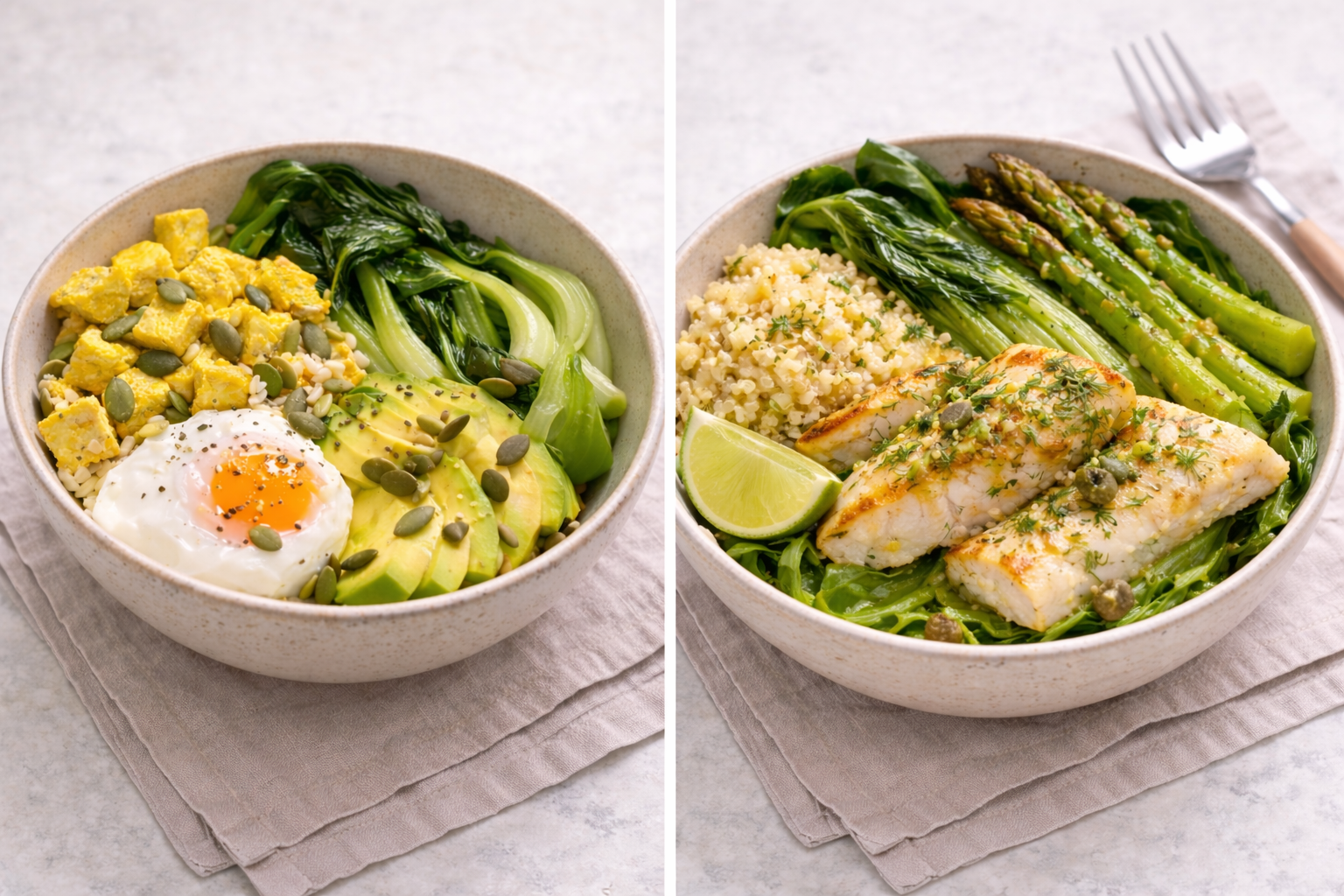
One meal I often recommend during this time of year is a balanced bowl of seafood, rice and greens.
For example:
- 150 g prawns or fish
- a small portion of rice
- a large handful of leafy greens
- lightly cooked asparagus
- a small portion of avocado
- kefir or yoghurt dressing on the side
This meal works well during humid months because it provides:
Light Protein
Seafood is considered easier to digest than heavier meats and does not create as much internal heat.
Gentle Carbohydrates
Rice is one of the easiest grains to digest and helps stabilise energy without overwhelming the digestive system.
Vegetables that Help Move Fluids
Leafy greens and asparagus help the body gently regulate fluid balance.
Healthy Fats in Moderation
Avocado provides nourishment without the heaviness of fried foods.
Fermented Foods
Kefir or yoghurt support the gut microbiome and digestion.
The result is a meal that feels satisfying but does not overwhelm the digestive system.
A Traditional Food that Helps Prevent Dampness
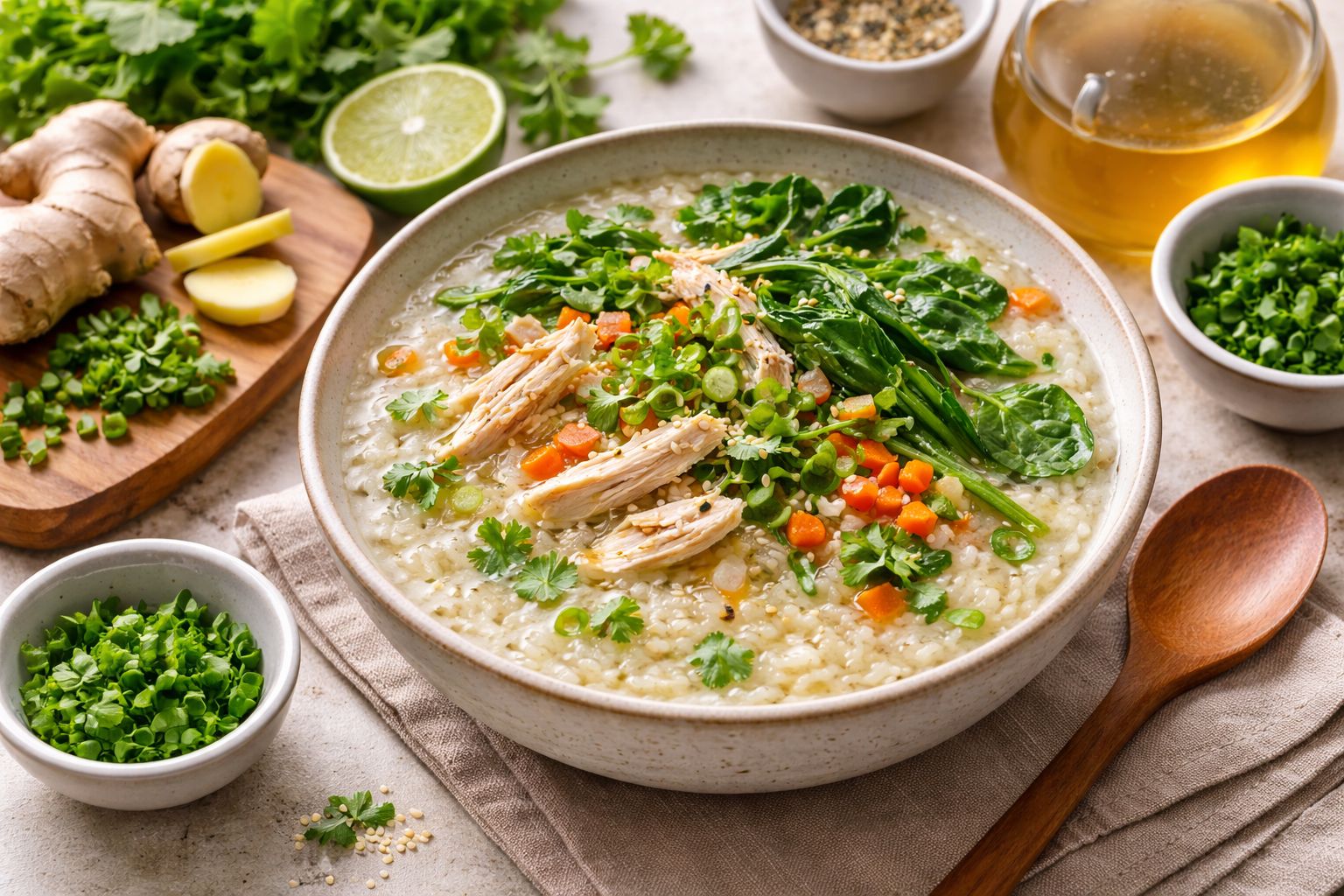
Another beautiful food for late summer is rice congee.
Congee is a traditional Chinese rice porridge that has been used for centuries to support digestion.
Because the rice is cooked slowly with water, it becomes extremely easy to digest and gently strengthens the digestive system.
Late Summer Digestive Congee
Ingredients
½ cup rice
5–6 cups water or light broth
a small piece of fresh ginger
1 carrot, finely chopped
a handful of leafy greens
shredded chicken or tofu
Thinly sliced shallots
Method
Rinse the rice and place it in a pot with the water and ginger.
Simmer gently for 40–60 minutes until the rice breaks down into a soft porridge.
Add the carrot and cook until tender.
Add already steamed and shredded chicken or tofu
Stir in the greens just before serving.
This type of meal is incredibly nourishing when digestion feels weak, bloated, or sensitive.
It helps:
- support the digestive system
- gently move fluids
- restore energy without heaviness
Supporting the Body During Seasonal Transitions
Late summer is a transitional time.
It is a period when the body benefits from slowing down slightly, simplifying meals, and paying attention to digestion.
When we support the digestive system during humid months, we reduce the likelihood of dampness building up and help the body transition more smoothly into autumn.
Sometimes the simplest foods are the most supportive.
A bowl of rice, vegetables, and light protein can do more for the body than a complicated meal.
Make an appointment today if you feel dampness is a problem for you and you haven’t managed to solve this problem yourself.


Leave a Reply